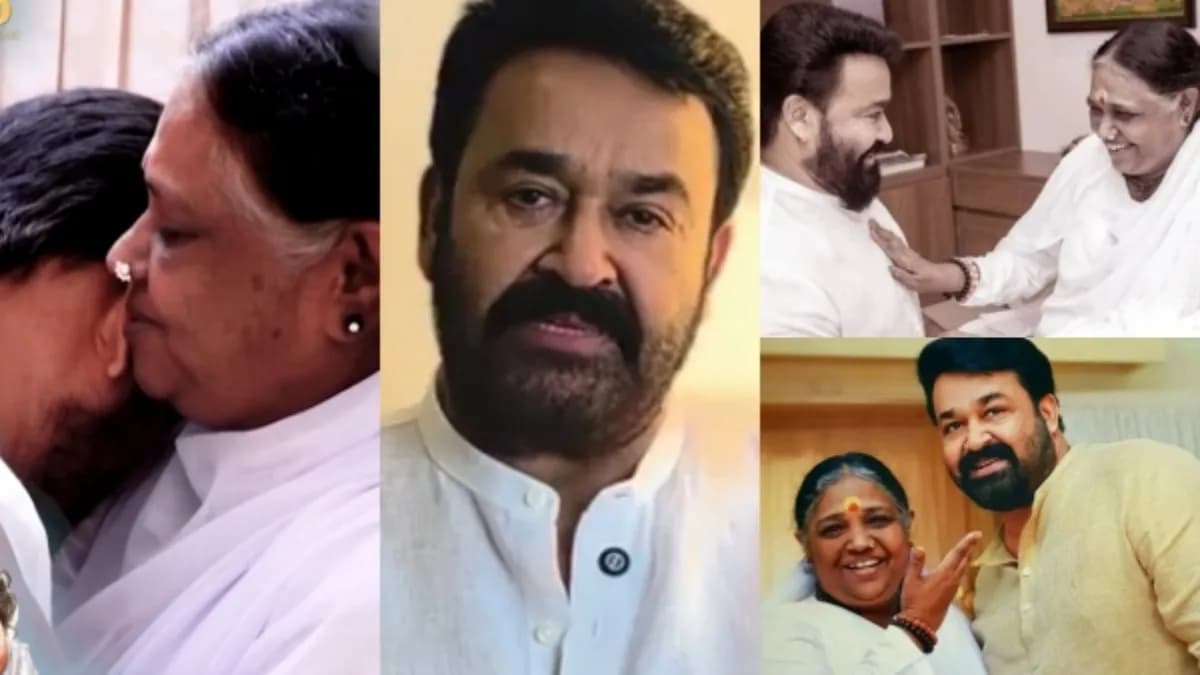
The bond between a mother and her child has long been the emotional backbone of Malayalam cinema, and few relationships in the industry's public imagination have carried that weight as enduringly as the one that inspired this week's most-discussed theme. A reflection on four decades of an unbroken emotional connection between a mother and her child has struck a chord with audiences, arriving as a reminder that no grief is ever too heavy to dissolve in a mother's presence, and that she remains the first refuge when inner conflict threatens to overwhelm. The framing is simple and unabashedly sentimental: there is no sorrow that does not melt away before a mother, and no storm of the mind that does not find shelter in her. What gives the idea its force is the number attached to it - forty years of a bond described as deeply spiritual rather than merely biological.
Malayalam cinema has never been shy about placing the mother at the moral and emotional centre of its storytelling. From the classic tearjerkers of the 1980s to the more restrained family dramas of the past decade, the figure of the mother has served as confessor, conscience and anchor. She is the one character who is allowed to see the protagonist without the armour. Screenwriters have returned to that well so often precisely because it never runs dry. The theme currently drawing attention leans into that tradition without apology, treating the mother not as a supporting presence but as the person before whom pride becomes pointless and pretence becomes impossible.
What sets this particular tribute apart is the emphasis on interior struggle. The wording does not dwell on external hardship - poverty, illness or tragedy - but on the battles fought silently inside the mind. That is a notably modern framing, and it mirrors a broader shift in how Malayalam films have begun to handle mental and emotional distress. Where earlier generations of filmmakers externalised suffering through melodrama, contemporary storytellers are more willing to sit with a character's private turmoil. The reassurance being offered here - that a mother is the dependable support when that turmoil peaks - is both old-fashioned and strikingly current.
Forty years is not a figure that arrives casually. In an industry where careers can be measured in a handful of seasons, a relationship that spans four decades represents something closer to a lifetime. It suggests a connection formed in one era and tested across several, surviving the shifting tastes of audiences, the changing economics of production and the inevitable personal transformations that come with age. Longevity of that kind carries its own narrative weight, and it is the reason the theme has resonated rather than reading as mere sentimentality.
It is worth noting how often the mother appears in Malayalam cinema as a figure of unconditional acceptance rather than judgement. The confessional scene - a grown man or woman breaking down before their mother - is one of the most reliable emotional beats in the repertoire, and it works because audiences recognise its truth. The current theme distils that recognition into a single statement: whatever the burden, it lightens in her presence. That is not a plot device so much as an observation about how families actually function, which may explain why the idea has travelled so quickly through fan conversations.
Four decades of any relationship inevitably include disagreements, silences and periods of distance. The tribute does not pretend otherwise; its power lies in the implication that the bond endures precisely because it has been tested. In an entertainment landscape increasingly drawn to conflict and spectacle, a quiet acknowledgment of steadfast maternal support reads as counter-programming - and evidently welcome.
For audiences who grew up on Malayalam family dramas, the theme lands as both familiar and freshly worded. It does not promise resolution or easy answers. It offers something more modest and more durable: the assurance that when the mind turns against itself, there is one person whose door remains open. After forty years, that assurance has evidently lost none of its pull.
Source: Filmibeat Malayalam