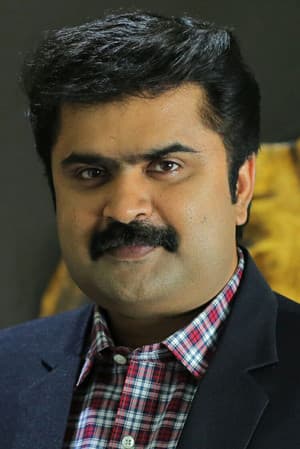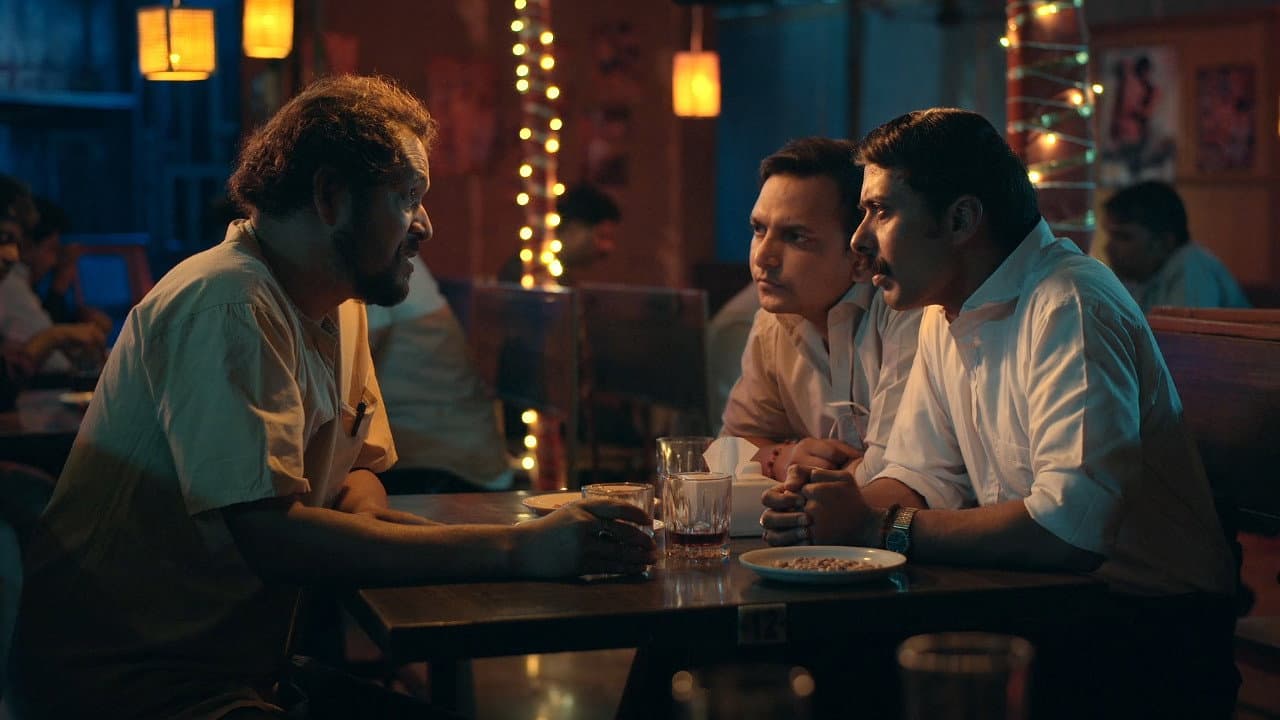
What do audiences actually remember Mukesh for? The TMDb biography of the performer answers that question before it says anything else, describing him as best known for comic-oriented roles. That phrase is the thread worth pulling. It leads into the part of Malayalam cinema where he has done most of his work, then outward into everything else he has been asked to carry. His screen career rewards tracing because it shows one performer moving between two very different kinds of presence, sometimes within the same film. This piece is about the work and nothing else.
A word of industry vocabulary helps here. In Malayalam cinema a "comic track" is the parallel storyline carried by supporting performers, often threaded through a serious main plot. A performer who can hold one of those tracks is what the industry calls a comedian in the specific sense of a comedy lead rather than a bit-part player. Holding a track means timing, reaction and a face the audience trusts with the next joke. Mukesh built his reputation holding those tracks. As the years pass, the material also asks him for the opposite register: the straight-faced authority figure, the officer or the priest who stands still while the comedy moves around him. The rest of this piece traces that double life across the films where the work is confirmed.
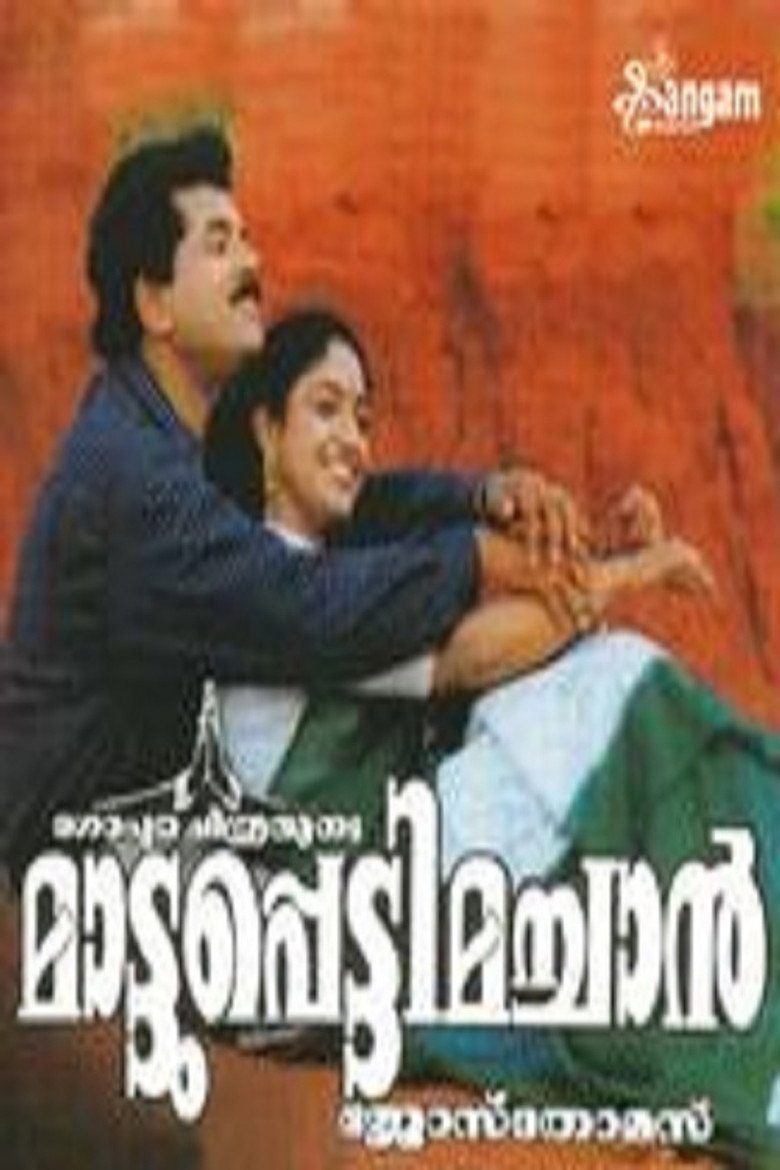 Photo: TMDb
The Films, Played Against Each Other
The confirmed filmography reads best not as a chronology of development but as evidence of range, so grouping the titles helps more than listing them. Start with the early ensemble comic parts, move to the comic turn inside a bigger plot, and finish with the straight face.
The Early Ensemble Comic Parts
Ninnishtam Ennishtam (1986) as Ramachandran is the earliest confirmed title in the list, though it should not be read as a debut claim. The run that follows shows the shape of the material he was given: Ramji Rao Speaking (1989) as Gopalakrishnan, Ottayal Pattalam (1991) as Venu Gopalakrishnan and Col. R.K. Nair, Nandagopaalante Kusruthikal (1996), Kalyana Kacheri (1997), Manthrikumaran (1998) as Achuthankutty, and English Medium (1999) as Gopikrishnan.
Two of those plots show the pattern clearly. Nandagopaalante Kusruthikal takes Nandagopan, a villager who wishes to marry a traditional girl, and complicates everything when his uncle wants him to marry his daughter Radhika, who leads a modern life. Kalyana Kacheri gives him a construction contractor deep in debt, a friend with a scheme to fake a suicide, and a woman fleeing thugs who bursts into the same hotel room. A police raid follows, the pair pretend to be lovers, and they are pushed into a register marriage at the station. The put-upon man, the forced situation, the misunderstanding that snowballs: that is the machinery of the early comic parts. The performer's job is to keep the panic funny.
The Comic Turn Inside a Bigger Plot
By Twenty 20 (2008) as C.I Jayachandran Nair and Arabeem Ottakom P. Madhavan Nayarum in Oru Marubhoomi Kadha (2011) as Ottakathalayan and Abdullah, the comedy sits inside larger plots with bigger casts. The 2011 film is the clearest example of what that demands. Madhavan Nair has finally managed a comfortable life in Abu Dhabi when Meenakshi drops into his life. Love strikes and in no time breaks, and a disheartened Nair finds himself lost in the desert with Abdu, who spells disaster. The pair run into Eliana, who has been kidnapped, and together they devise a plan to mint some easy money.
Comedy of that kind needs a straight man structure, and the doubled name in the credit signals the doubling the role asks for. Adi Kapyare Kootamani (2015) as Father Alfred Kattuvilayil belongs here as well, a church setting where the comic track has to coexist with a different kind of gravity.
The Straight Face
Marakkar: Lion of the Arabian Sea (2021) as Dharmoth Panicker and Oru Anweshanathinte Thudakkam (2024) as I.G Prem Kumar show the other register. In the 2024 film, an investigating journalist in Kerala disappears without notice, media and public are stunned, and the investigation uncovers shocking, unexpected mysteries. The comic instinct does not disappear when the material gets serious. It is held back, and that restraint is the reason the same performer can be cast in both registers.